
Zero Carbon Operation
What we do
Zero Carbon Operation (ZCO) supports NESO in planning and operating a future energy system by ensuring the electricity system stays operable as it decarbonises.
Programme Areas
Each of our programme areas provides the necessary expertise required to meet our ambition of being able to run Britain’s electricity system carbon free.
EV and Storage

EV & Storage supports NESO in understanding the interaction of EVs and electricity storage within a zero-carbon electricity system. This includes analysing the evolving behaviour of EVs and storage, and supporting NESO to maximise the benefits these technologies can offer.
Transformation to Integrate Distributed Energy (TIDE)

The TIDE Programme serves to deliver visibility of and access to distributed energy and consumer energy resource assets across all timescales (real-time to long term) – receiving, procuring, storing, analysing, and making decisions on this data – to improve operation of the whole-energy system.
Operability Strategy

Operability Strategy coordinates a holistic strategy which supports industry in the management of future operability challenges so that there is a smooth transition to a future secure, zero carbon system at the lowest cost.
Zero Carbon Technology
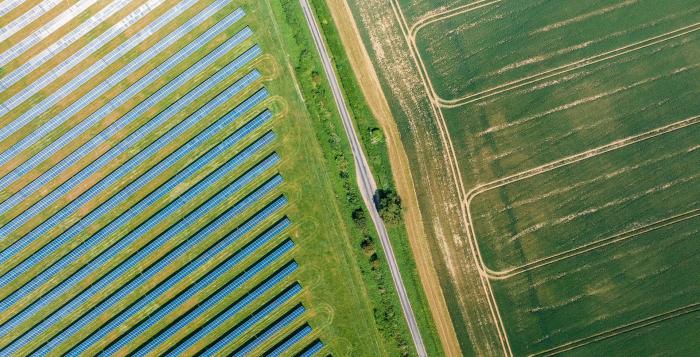
Zero Carbon Technology tracks the development of large-scale energy sources not yet widely seen on the GB Transmission System to understand the properties of these new technologies. Using this information, as well as knowledge of expected roll-out and upcoming policy, the team assesses the potential impacts these emerging technologies may have on the operation of the future GB energy system.
DER/CER Visibility and Access Roadmap
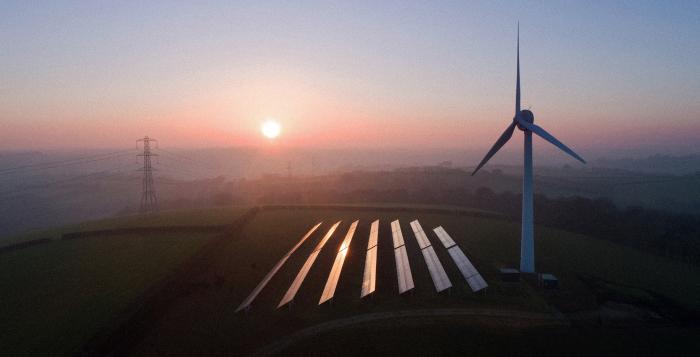
DER/CER visibility and access is essential to operating a safe, efficient, and clean power system. The DER/CER Visibility and Access Roadmap sets out the case for change to improve DER/CER visibility and access, and a view of the activities NESO will undertake to deliver this.

Update on review of hybrid metering arrangements for BM Units
The Zero Carbon Technologies team requested industry feedback on hybrid metering arrangements for BM Units and co-located technologies at the start of the year and have been using this feedback alongside expertise across NESO to develop an assessment of the challenges and opportunities of Hybrid Balancing Mechanism Units (HBMU).
For the purposes of this assessment, HBMUs have been defined as a registration/metering configuration allowing for assets with different commercial arrangements (or different technology types), which share a grid connection point, to be registered together as a single BMU. This configuration employs sub-metering or flexible metering arrangements to allow for the distinct settlement, operational control, and regulatory treatment of each asset component within the BMU.
The materials below, which include a report and accompanying impact assessment, are provided to support ongoing discussion in this area. If you have any questions or would like to discuss further, please contact us at [email protected]
Hybrid Balancing Mechanism Units (HBMU) Supporting Documents
