

Beyond 2030 - Electricity Transmission Update
Beyond 2030 published in March 2024 set out a national view of the electricity transmission network Britain needs in the 2030s. This update builds on that work. It explains what has changed, what has not, and how updated evidence affects near‑term transmission decisions for Ofgem to consider.
The update provides clear, up‑to‑date advice on system need, timing and value for money. This is ahead of the whole-energy Centralised Strategic Network Plan (CSNP), due in 2028 which will bring together future network planning for electricity, gas and hydrogen. It reflects changes in policy and system context, including the UK Government Clean Power 2030 Action Plan, updated Future Energy Scenarios (FES), Connections Reform and new proposals from Transmission Operators (TOs).
Above all, it supports a reliable electricity system today and helps design a reliable, clean and cost-effective energy system for the future.

Beyond 2030 - Electricity Transmission Update Report
Discover more about our recommendations for how the offshore and onshore networks should develop throughout the 2030s. For the best online experience, explore the report on a laptop/desktop.
Download the interactive report Download the print ready report
Key messages from the report
- Reconfirms the electricity transmission network needed to enable a reliable, clean and affordable system into the mid-2030s.
- Ensures timely delivery of network to meet the needs of consumers and keep costs down for bill payers.
- Increases capacity for more home-grown clean energy, reducing reliance on volatile international energy markets.
- Supports economic growth and job creation across Great Britain.
- Recommends a greater share of offshore cabling and prioritises onshore upgrades where possible to best meet future needs whilst minimising impacts.

What are the next steps?
For recommendations of near-term options where system need is clear and offers strong value for money for consumers. NESO recommends early investment in these to enable timely delivery.
For recommendations of longer-term options where delivery is required after the mid-2030s, further development is still needed.
For these options, we will gather insight from the Strategic Spatial Energy Plan and work with the regulator and the Transmission Owners to determine how to progress these options through to delivery. This will include establishing which will benefit from further assessment through the enduring Centralised Strategic Network Plan.

Electricity Networks Explainer
Electricity Networks Explainer package offers a comprehensive view of GB’s electricity transmission network, including how it is changing and why this change is needed.
The package’s two publications act as a guide, supporting people of all backgrounds and knowledge levels in understanding how decisions are made across the network. The publications also discuss the trade-offs between different technologies and the various organisations involved in the process.

Electricity Transmission Design Principles (ETDP)
The Electricity Transmission Design Principles (ETDP) provide clear guidance on how design choices for electricity transmission infrastructure should be made. They are intended to support consistent decision-making, give greater clarity for developers and help communities understand how options are assessed.
Beyond 2030 Electricity Transmission Update - annexes
Technical Report
Explains how we assessed reinforcement options to form the recommended transmission network design in accordance with our methodology.
Investor Annex
Presents NESO's Beyond 2030 update from an investor perspective, providing insight into the scale, timing and drivers of future transmission reinforcement across Great Britain.
Stakeholder Engagement & Feedback Report
Outlines how we have embedded stakeholder engagement into our process and considered the feedback we have received in shaping our recommendations.
Find out more
A Holistic Network Design for Offshore Wind
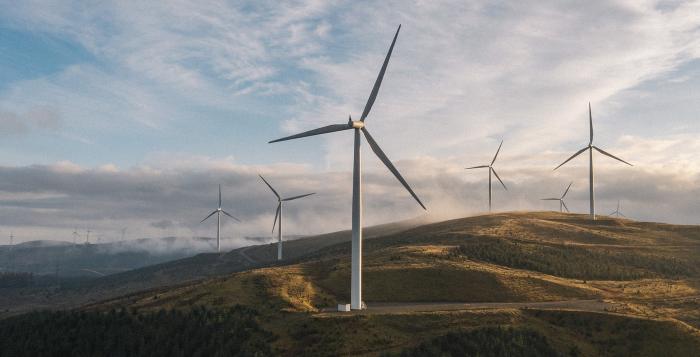
A closer look at what is needed to connect 23GW of offshore wind by 2030.
Electricity Ten Year Statement

ETYS is the NESO’s view of future transmission requirements and the capability of GB’s National Electricity Transmission System (NETS) over the next ten years.
NOA Refresh

Learn more about the wider onshore network requirements needed to achieve the 2030 ambition.
Offshore Coordination

Find out more about the Offshore Coordination.
Web map

Visit our web map to have a look at the requirements for the future transmission network.
Supporting Documents
Past Documents
| Name | Published |
|---|---|
| tCSNP2 Refresh Summary Methodology | 10 Dec 2025 |
| Non-TO developers' process | 10 Sep 2025 |
| Beyond 2030 INTOG Supplementary Report | 12 Dec 2024 |
| Beyond 2030 INTOG Publication | 12 Dec 2024 |
| Celtic Sea Publication | 13 Aug 2024 |
| Celtic Sea Technical Annex | 13 Aug 2024 |
| Beyond 2030: a National Blueprint for a Decarbonised Electricity System in Great Britain (print version) | 27 Mar 2024 |
| Beyond 2030 - Comprehensive List of Onshore and Offshore Network | 19 Mar 2024 |
| Beyond 2030: a National Blueprint for a Decarbonised Electricity System in Great Britain | 19 Mar 2024 |
| Beyond 2030 Technical Report | 14 Mar 2024 |
tCSNP Refresh methodology
| Name | Published |
|---|---|
| tCSNP Interconnectors analysis methodology | 10 Dec 2025 |
| TCSNP2 Refresh key dates for 2025/26 | 10 Dec 2025 |
| tCSNP Options Assessment | 10 Dec 2025 |
| tCSNP Options Development | 10 Dec 2025 |
| tCSNP System Requirements | 10 Dec 2025 |
| tCSNP Summary of Stakeholder Feedback | 31 Mar 2025 |
| tCSNP System Requirement Form | 31 Mar 2025 |
| tCSNP Potential transmission solutions | 31 Mar 2025 |
| tCSNP General Roles and Responsibilities of NESO & TOs | 31 Mar 2025 |
| tCSNP Early Development of Options | 31 Mar 2025 |
Past NOA publications
| Name | Published Sort ascending |
|---|---|
| NOA refresh 2021-22 | 6 Jul 2022 |
| Network Options Assessment (NOA) 2021/22 Interactive document | 28 Jan 2022 |
| Appendix A for NOA 2021/22 | 27 Jan 2022 |
| Network Options Assessment (NOA) 2020/21 Interactive document | 28 Jan 2021 |
| Network Options Assessment (NOA) 2020/21 Printable version | 26 Jan 2021 |
| Network Options Assessment (NOA) 2019/20 Interactive document | 31 Jan 2020 |
| Network Options Assessment 2018-19 | 31 Jan 2019 |
| Network Options Assessment 2017-18 | 29 Jan 2018 |
| Network Options Assessment 2016-17 | 30 Jan 2017 |
| NOA Interconnectors 2015-16 | 31 Aug 2016 |
Past NOA methodologies
| Name | Published Sort ascending |
|---|---|
| NOA Methodology 2023 appendices | 2 Aug 2023 |
| NOA methodology 2023 | 2 Aug 2023 |
| NOA Methodology 2022-23 | 28 Jul 2022 |
| NOA Methodology 2021-22 | 30 Jul 2021 |
| NOA Storage supplementary note | 10 May 2021 |
| NOA Methodology 2020-21 | 31 Jul 2020 |
| NOA Methodology 2019-20 | 31 Jul 2019 |
| NOA Methodology 2018-19 | 5 Jul 2018 |
| NOA Methodology 2017-18 | 31 Aug 2017 |
| NOA Methodology Review Report | 31 Aug 2017 |
NOA Committee meeting minutes and Terms of Reference
Our NOA Committee scrutinises the results in the NOA to ensure our recommendations are the most efficient for all.
We have included the meeting minutes as far back as 2019. If you would like to request previous meeting minutes please let us know [email protected].
| Name | Published Sort ascending |
|---|---|
| NOA Committee - minutes 8 June 2023 | 24 Aug 2023 |
| NOA Committee - minutes 17 June 2022 | 7 Oct 2022 |
| NOA Committee - minutes 12 May 2022 | 15 Jun 2022 |
| NOA Committee - minutes 9 December 2021 | 22 Feb 2022 |
| NOA Committee - minutes 11 January 2022 | 22 Feb 2022 |
| NOA Committee - minutes 6 October 2021 | 8 Dec 2021 |
| NOA Committee - minutes 5 May 2021 | 1 Oct 2021 |
| NOA Committee - minutes 12 January 2021 | 21 May 2021 |
| NOA Committee - minutes 7 December 2020 | 21 May 2021 |
| NOA Committee Terms of Reference | 26 Apr 2021 |