
Balancing services
The Balancing Act (Part 3: Projections)
12 Nov 2026 - 4 minute read
This is the third and final blog in our mini-series on balancing costs, looking at our latest…


Every second of every day, the supply of electricity being generated must match the amount being used. When supply and demand become unbalanced, the system frequency can move away from its required level of 50 Hz. Further, electricity flows above the limits of the physical network create conditions that put the infrastructure at risk, which then affects system reliability and security of supply. Electricity demand changes through the day, as people turn on kettles, work, cook, and heat their homes. Supply also varies, depending on weather output, temperature, and market context such as fuel prices.
‘Balancing the grid’ is the process of continuously matching electricity supply with demand, while ensuring electricity is available in the right places and can move safely across the network.

To balance the system, NESO must meet a set of core operational requirements: thermal, voltage, stability, reserve, response and restoration. A deeper technical explanation of these requirements can be found in our Operability Strategy Report. Over time, NESO has developed a suite of tools to meet these requirements, many of these tools are used at no additional consumer cost: for example, NESO can change how power moves over the grid or use innovative technologies that allows us to temporarily increase flows.
Balancing Costs arise when NESO pays providers in our markets for balancing services. These costs reflect the investment needed to ensure the system operates reliably in real time. While NESO plays a key role in managing balancing costs, many of the underlying drivers are shaped by factors outside our direct control, making collaboration across NESO, Government, Ofgem, network owners and wider industry essential to reducing costs for consumers.
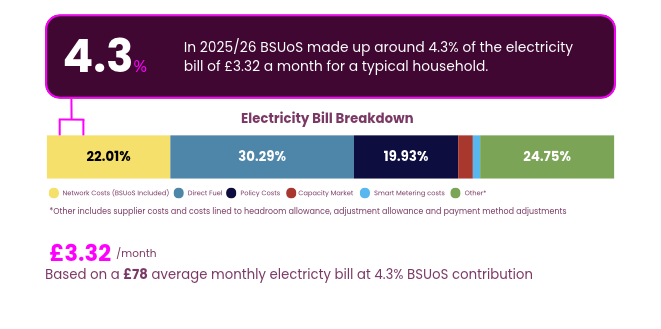
While balancing costs provide an important insight into how the electricity system is operated, they represent only one element of the wider energy costs ultimately borne by consumers. Decisions that affect balancing costs should therefore aim to deliver the best overall outcome for consumers.
Actions that reduce balancing costs may require additional investment elsewhere in the electricity system, while some costs reported within balancing costs can offset costs that would otherwise be incurred through other charging mechanisms. As a result, changes in balancing costs do not always translate directly into equivalent changes in consumer bills. Understanding consumer impacts therefore requires a whole-system view.

NESO has published two complementary reports explaining how balancing costs developed in 2025/26, the system and market conditions that influenced them, and what thermal constraint costs could look like in future.
Together these reports show where costs arose, the savings delivered through action by NESO and partners, and the priorities for reducing costs while maintaining a secure and reliable electricity system.

Last year, NESO set out its approach to monitoring balancing costs and savings, using evidence to prioritise cost-reduction activity and working across industry to deliver it. This year, we have divided the assessment into two complementary publications, making it easier to distinguish the annual cost position from the longer-term thermal constraints outlook.
| Outturn Balancing Costs Report | Thermal Constraints Update |
|---|---|
|
The Outturn Balancing Costs report explains what balancing costs were in 2025/26, the system and market conditions that influenced them, and the quantified savings delivered by NESO and its partners. Use this report to understand:
|
The Thermal Constraints Update examines the largest component of balancing costs in more depth, explaining why thermal constraint costs arise, how they could evolve and the action being taken across industry Use this report to understand:
|
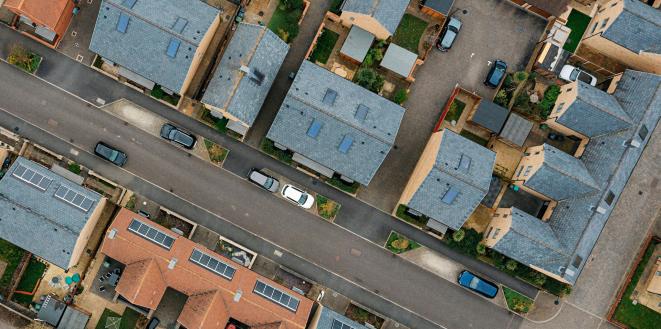
NESO and its industry partners are taking action to reduce balancing costs while maintaining a secure and reliable electricity system. Our portfolio brings together the initiatives addressing current cost pressures and supporting a more efficient electricity system over the coming years.
Explore the portfolio to understand the work underway and how different initiatives reduce costs.
| Name | Published Sort ascending |
|---|---|
| 2025 Annual Balancing Costs Report | 12 Jun 2025 |
| 2025 Annual Balancing Cost Report Data Workbook | 12 Jun 2025 |
| 2025 Balancing Costs Strategy | 12 Jun 2025 |
Our monthly balancing costs report provides in-depth analysis of balancing costs, the factors that influence them and the savings achieved through various balancing cost initiatives
| Name | Published Sort ascending |
|---|---|
| May 2024 Yearly BC Report - savings data | 26 Jun 2024 |
| May 2024 Yearly BC report - projection data | 11 Jun 2024 |
| May 2024 yearly BC report - technical report | 17 May 2024 |
| May 2024 yearly BC report - key messages report | 17 May 2024 |
| May 2024 yearly BC report - webinar slides | 17 May 2024 |
| Name | Published Sort ascending |
|---|---|
| Daily balancing costs - November 2025 | 1 Nov 2025 |
| Daily balancing costs - October 2025 | 1 Oct 2025 |
| Daily balancing costs - September 2025 | 1 Sep 2025 |
| Daily balancing costs - August 2025 | 1 Aug 2025 |
| Daily balancing costs - July 2025 | 1 Jul 2025 |
| Daily balancing costs - June 2025 | 1 Jun 2025 |
| Daily balancing costs - May 2025 | 1 May 2025 |
| Daily balancing costs - April 2025 | 1 Apr 2025 |
| Daily balancing costs - March 2025 | 1 Mar 2025 |
| Daily balancing costs - February 2025 | 1 Feb 2025 |

We regularly organise workshops with key industry members to discuss balancing costs. The aim is to provide an open forum for views on the causes and ways of mitigating high costs in the future. If you would like to know about any future engagements send an email to [email protected].
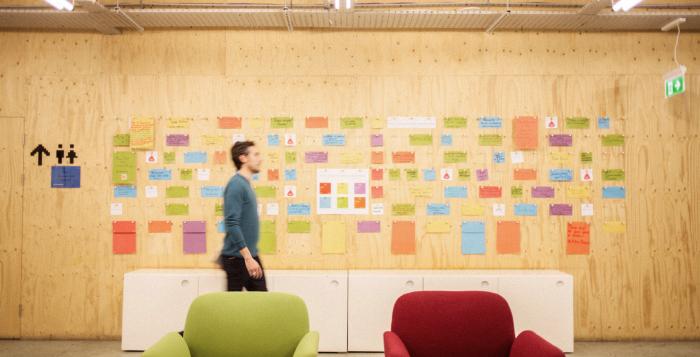
Our FAQs will help you answer any questions. You can submit new questions or suggestions via [email protected].
We publish a suite of data relating to balancing costs, including data on forecast and historic balancing costs, including Balancing System Use of Service (BSUoS) and balancing services charging reports.

The BSUoS charge recovers the cost of day-to-day operation including the cost of balancing the electricity transmission system.

We are regulated by Ofgem and all of our procurement of balancing services are outlined under our Standard License Condition C16. Ofgem assess our performance against their RIIO (Revenue = Incentives + Innovation + Outputs) framework. One of the criteria to which we are measured against is 'value or money' - relating to balancing costs.
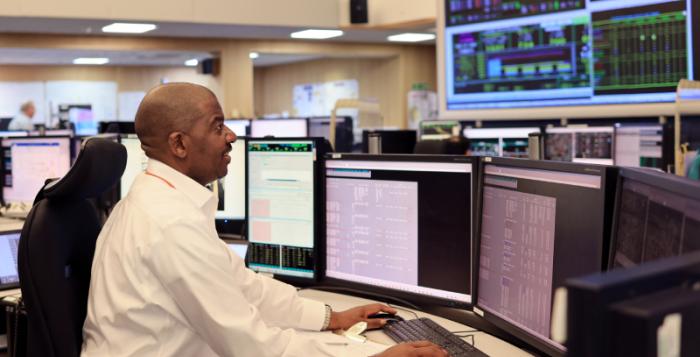
Every Wednesday, we hold an open technical industry forum to discuss recent operational actions we have taken in the Electricity National Control Centre (ENCC) and answer any questions. Often the analysis and commentary provided in these forums is purposefully based around Balancing Costs.