
Energy Explained
Emergency Assistance: what it is, and why we used it over…
14 Oct 2026 - 3 minute read
Keeping Great Britain's electricity system secure is a core responsibility at NESO. Every day, we…

Demand for energy is rising, and Great Britain will need much more electricity in the future than we do now. The drive for clean power is set to help cut emissions and shift spending towards investment in home-grown energy. And energy security is vital to keep people safe, connected, and warm.
The UK, Scottish and Welsh governments and Ofgem have asked us to develop a set of interconnected energy plans. Together, these plans will build a complete picture of the future energy system.
The key plans in our strategic energy planning approach are:
Let’s look at each plan in turn.
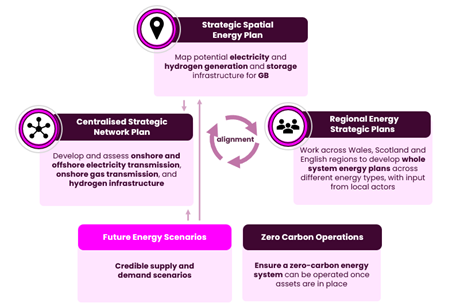
The SSEP is the first step. This plan will work out what energy sources GB needs, and broadly where in GB, from 2030 to 2050.
Our first SSEP will focus on electricity and hydrogen generation and storage. We will consider costs, the environment and other options for land and sea use as we prepare the plan.
The SSEP will give investors more certainty about energy needs across GB and support long‑term planning. But we will not recommend where new energy projects should be built; the market will decide the best sites for specific projects.
Learn more about the Strategic Spatial Energy Plan
Our CSNP will set out how the electricity, gas, and potentially hydrogen, systems need to evolve together over the next 25 years. This plan looks at the transmission networks that carry energy long distances.
The CSNP will use energy supply and demand data to identify the transmission networks needed. It will review, model and plan proposals for upgrades and network developments. The plan will help transmission network owners build cost-effective, efficient and reliable energy networks.
Find out more about the Centralised Strategic Network Plan
RESPs will give local voices a say across Scotland, Wales and nine English regions. These plans focus on the local gas and electricity distribution networks that bring energy to our doors. The plans draw on national, regional and local data, and stakeholder and community feedback.
The RESPs will show where and when investment in energy distribution networks is required and inform future distribution network investment plans.
Explore our Regional Energy Strategic Planning pages
Our strategic energy plans fit with wider work that supports Great Britain’s journey to clean power. Examples of other priorities include:
We’re also working with governments, Ofgem and industry partners on new electricity market reforms, called Reformed National Pricing. These reforms aim to make the future power system more efficient and reduce costs for consumers by providing stronger locational signals for where new energy assets should be built and improving the efficiency of how the system is balanced, while supporting fast-paced investment.
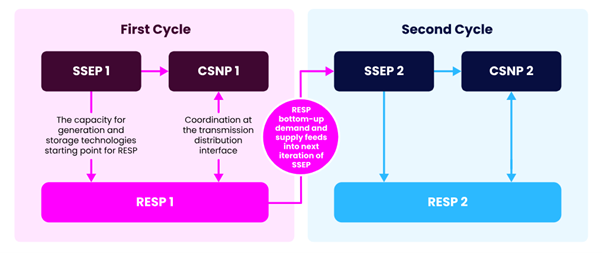
These plans complement one another, but each brings a unique perspective: the SSEP for electricity and hydrogen generation and infrastructure, the CSNP for GB-wide transmission networks, and RESPs for more localised distribution networks.
Our first SSEP will recommend what energy GB needs, and where, split into broad zones. The plan will provide more certainty on the location of electricity and hydrogen generation and storage infrastructure. Those findings inform the first CSNP. At the same time, the SSEP will show the RESPs a GB-wide picture of energy needs.
The CSNP will combine information from our SSEP findings and Future Energy Scenarios to show the best options to connect power to the people and sources that need it. The CSNP converts network capacity requirements into specific network projects across electricity, gas and hydrogen.
The first RESPs will provide a shared view of how the energy distribution system should evolve to meet both local priorities and GB objectives. Our SSEP, CSNP and Future Energy Scenario findings will help guide the plans. We are working with local stakeholders to develop the RESPs. This will build on local intelligence and reflect growth and decarbonisation ambitions.
Information from the first CSNP and RESPs will then inform the next (second) SSEP, and the cycle continues. Each plan informs the next set of plans.
Stakeholder input is vital to strategic energy planning. We are involving stakeholders across GB in future energy discussions at an early stage. This gives people more visibility of our plans and the chance to influence our work in a coordinated way.
As we develop the new plans, we will:
As the way we use and transport energy changes, our plans must fit together so they work in the real world. It’s a huge challenge that needs a more coordinated approach.
By planning to 2050, we can:
This approach ensures that every part of Great Britain benefits from a secure, low-carbon, and affordable energy system.
Read our Strategic Energy Planning summary to find out more about our energy plans. Or browse our website for more information.
Strategic Energy Planning Strategic Spatial Energy Plan
Centralised Strategic Network Plan Regional Energy Strategic Planning
