
Strategic planning
Help shape your Regional Energy Strategic Plan – express an…
26 Aug 2026 - 3 minute read
Leaders and experts from across Scotland, Wales, and England’s regions are invited to take a formal…


The National Audit Office’s report published today highlights the scale of the challenge facing Great Britain's electricity system over the coming decade. One theme runs through its findings - consumers benefit when generation, networks and future demand are planned and delivered together.
But beyond today’s headlines, there is a bigger question at play. Consumers ultimately pay when generation and infrastructure build fall out of step. The challenge now is ensuring the whole sector can plan and deliver as one system.
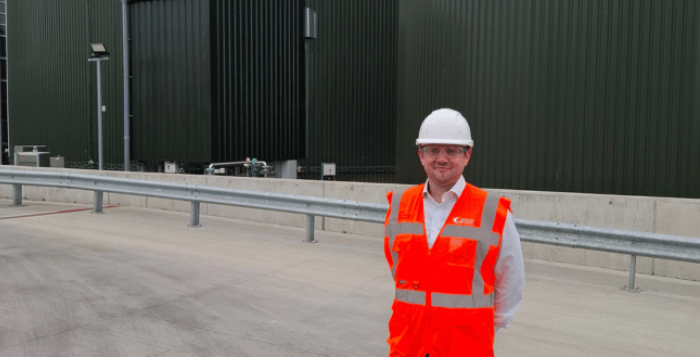
Our Chief Operating Officer, Kayte O'Neill, shares her thoughts on how strategic planning is essential to delivering value for consumers and industry.
"If I draw my own conclusion, it is that if consumers are to benefit from the energy transition, we must plan and deliver as one system. I won’t be alone saying that despite achieving incredible things together, coordination hasn’t always been the energy sector’s strength. Changing this is the challenge I see ahead.
"Consumers bear the costs when the sector isn’t aligned
"The national electricity system remains reliable despite significant changes in how electricity is generated and consumed. More electricity is being produced from renewable sources and often further away from where it is needed. Demand is expected to grow as transport, heating and industry become increasingly electrified. These changes create opportunities for consumers and businesses and they make delivery more important than ever.
"Over the years, new generation developed faster than the network needed to move electricity around the country, meaning more actions are required to keep the system balanced and secure. Consumers ultimately bear these costs. That is why timely delivery of network infrastructure remains the single biggest opportunity to keep future balancing costs down.
"Planning generation, networks and future demand separately made sense when power came from a small number of large power stations and change was slower. Today every decision has implications elsewhere in the system. Building new generation affects network requirements. Network build affects connection times. Consumers ultimately experience one energy system, which is why it increasingly needs to be planned as one.
"The report also recognises that NESO, government and Ofgem are beginning to change the way the future energy system is planned. The collective challenge is to build on those foundations.
"An example of that today is strategic planning.
"The Strategic Spatial Energy Plan will chart the course for energy investment in Great Britain out to 2050. This transition in approach reflects a growing recognition that coordinated planning across the whole system is critical to reducing costs and supporting growth across Great Britain. But plans are not a silver bullet and alone, they do not build infrastructure.
"Achieving Clean Power 2030 requires infrastructure to be delivered at a pace and scale not seen before in Great Britain - something made clear in our advice to government. Success depends on a huge range of factors, including planning approvals, supply chain investment and delivery, all moving together.
"It should not be a surprise that getting the best outcome for consumers requires coordinated action across government, Ofgem, network companies and NESO. That’s because no single organisation holds all the levers for delivery. But recognising that is one thing – putting it into action is another.
"Great Britain has set a stretching energy ambition and delivering it now depends on the whole system working together. Consumers pay when infrastructure build and generation fall out of step.
"They benefit when we plan and deliver as one."