
How is electricity generated using solar?
Solar power is a renewable energy source. It’s also limitless - as long as the sun shines, energy will be released.
How does this work?
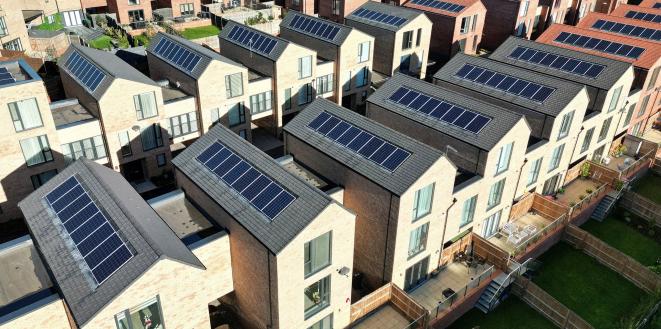
Solar power works by converting energy from the sun into power. There are two forms of energy generated from the sun for our use – electricity and heat.
Both are generated through the use of solar panels, which range those found on rooftops of our homes and businesses to ‘solar farms’ stretching across acres of land.
And, unlike the burning of fossil fuels, sunlight converts into power without creating harmful greenhouse gas emissions.
How does solar benefit the grid?
In April 2025, Britain’s solar record hit 13.212GW which is enough to charge over a million electric vehicles. New solar PV production records tend to happen in April or May rather than June, July or August because of two main reasons: First, solar panels work better when they are cool. The hotter a solar panel gets, the higher its internal resistance. So, for the same amount of sunshine a cool solar panel will produce more electricity than a hot one. April and May tend to be cooler than June or July.
Second, some solar panels are affected by shading. If there is a nearby tree casting a shadow onto the solar panels then this shadow would be bigger when all the leaves are fully developed. This means for the same amount of sunshine a solar panel in the shade of a tree will produce more electricity in April and it would in June.
Solar panels generate a direct current of electricity. This is then passed through an inverter to convert it into an alternating current, which is funnelled into the grid, or used by homes and businesses which have panels installed.
There are also large-scale installations where solar panels are used to harvest the sun’s power. These are different to rooftop solar systems in that they are designed for solar energy generation that feeds directly into the grid. Large solar farms can be built for one particular use – those built to power data centres for example.
Further work towards our ambitions
We have a team that looks into the weather forecast so that we can estimate how much renewable energy like solar might be produced on any given day. We consider things like lightning strikes, in case it causes outages, and we even look at space weather, just in case there’s an incredible rare solar flare.
You can see real time information on how GB’s electricity is being produced, including the % of solar generation, on our free Carbon Intensity app.
Download the app from Google Play Store and The App Store.