Future energy
The partnerships keeping Great Britain’s energy secure
22 Jun 2026 - 5 minute read
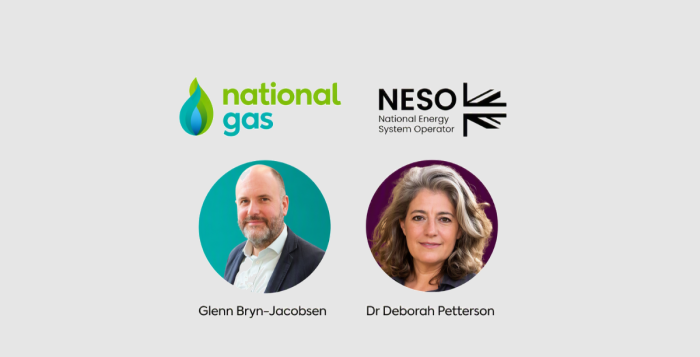
In this joint Q&A, Dr Deborah Petterson, Director of Whole Energy System Resilience at NESO, and…


To achieve a sustainable future in Great Britain, it will be vital to effectively digitalise the energy sector. Working in collaboration with the Department for Energy Security and Net Zero, Ofgem, the Royal Academy of Engineering, industry partners and wider stakeholders, we’ve published the first Energy Sector Digitalisation Plan. In the plan, we’ve set out a roadmap to improve the sector’s existing digital public infrastructure.
As Great Britain’s electricity system evolves through the delivery of Clean Power by 2030 and Net Zero by 2050 it’s critical that the energy sector has a robust digital infrastructure to support this transition and to enable seamless integration across energy systems, other economic sectors and wider society.
To achieve Clean Power by 2030, the whole energy system will need to use advanced modelling, artificial intelligence and align with data from other impacted economic sectors. These requirements demand a foundational digital energy system that supports the creation, processing, sharing, and interpretation of data with digitalised tooling and processes.
Building on expertise from across the industry to review, consolidate and map current digitalisation efforts against future system needs, the Sector Digitalisation Plan identifies 16 clear and deliverable actions that are needed to make Clean Power by 2030 a reality and the organisations that can best deliver these outcomes.
Energy sector digitalisation requires close collaboration. As a result, the actions outlined are shared across multiple stakeholders – including the Department for Energy Security and Net Zero (DESNZ), the Retail Energy Code company (RECCo), the Data Communications Company (DCC), Elexon, NESO, among other industry partners.
The Sector Digitalisation Plan is an iterative document. Future iterations of the Sector Digitalisation Plan will incorporate ongoing sector feedback and identify new owners to deliver existing gaps where suitable owners have not so far been identified. This will ensure the plan evolves in line with technology, policy and system needs.
“To reach Clean Power by 2030 Great Britain needs robust digital infrastructure and seamless integration across systems, sectors and society. The Sector Digitalisation Plan sets the roadmap to deliver the lasting digital journey needed to make these goals a reality. We very much see this as the 1st iteration and look forward to feedback as well as keeping pace with evolving digital and technology landscape.
Working together with Government, Ofgem and wider stakeholders the energy sector can deliver on its potential that will support not only Clean Power by 2030 but will support the integration of new technologies and energy needs over the coming decades.”
"As we deliver on our mission to make Britain a clean energy superpower, digitalisation will be a crucial tool in transforming our energy system, helping to deliver clean power and cutting costs for families across the country.
"A flexible electricity system can help people to lower their bills through taking advantage of new tariffs and technologies – and we are working with NESO and partners to deliver this."
“Digitalising the grid to support a clean electricity system in 2030 and beyond will require fast and significant, coordinated action, with a clear set of roles and responsibilities. Urgent action is needed to further the smart meter rollout and ensure that smart devices like electric vehicles and heat pumps are compatible with smart and innovative tariffs to deliver improved outcomes for consumers.
“We welcome today’s publication of the NESO’s Sector Digitalisation Plan (SDP) and are pleased to have contributed to the report. The SDP is clear in setting out cross-sector actions that are needed to digitalise the electricity system and achieve many of the interim targets on the path to Clean Power, including delivering 10-12GW of flexible, consumer-led energy supply by 2030. The actions relating to smart meters and the deadline for implementing a Half Hourly Settlement will be crucial for success.
“We are glad to see recommendations to develop an enduring governance framework for data and digitalisation initiatives, as set out in the Clean Flexibility Roadmap, to publish regular Sector Digitalisation Plans and to consider a potential role specifically dedicated to coordinating the digital elements of the electricity grid. The need to establish a ‘digital architect’, ideally in NESO, and to establish a dedicated digitalisation delivery unit were high-level actions for government in the Academy’s report on Rapid Decarbonisation of the Electricity System published last year. The engineering community stands ready to be a partner of sensible, pragmatic advice and challenge, where necessary, and we welcome progress in these critical areas.”
“As the Sector Digitalisation Plan sets out, smart meters are a critical enabler on the road to clean power. We've already progressed on many of the actions outlined, deploying new connectivity services across Great Britain, enhancing our operational support and driving improvements to smart meter data access, while taking firm action to play our part in addressing the ongoing affordability challenge across the sector.
We look forward to continuing our collaboration with NESO, our customers, DESNZ, Ofgem and wider industry to build on this and ensure the smart metering network can meet the needs of the future energy system.”
“The Sector Digitalisation Plan highlights the urgent need for swift, coordinated action across government, regulators, and industry to establish the digital infrastructure critical to deliver an energy system fit for clean power 2030 and beyond.
The actions outlined will help unlock consumer-driven flexibility, accelerate grid decarbonisation, maintain system operability, and create a great opportunity for innovators to develop new solutions. We’re proud to have supported NESO in this important work and look forward to seeing the actions implemented soon.”
“To meet the Clean Power 2030 goals, and continue progress to Net Zero we must prioritise sector-wide digitalisation. Millions of new assets will connect to the system in the coming years and without seamless sharing of data we will not be able to realise the potential that they have to contribute to consumer-led flexibility goals.
“The plan is important for creating alignment and providing visibility of the digital activities needed to meet the Clean Power goals. Elexon is fully committed to completing the actions that have been assigned to it, and working collaboratively with others in key areas such as asset visibility, and availability of smart meter data.”
“RECCo is excited about delivering the enabling digital services for a consumer led flexibility market and will be progressing those aspects closest to the consumer in line with the REC objectives to deliver positive consumer outcomes”