
Demand Flexibility Service explained
The Demand Flexibility Service (DFS) helps households and businesses participate in the electricity system by providing incentives, through suppliers and aggregators, for changing when they use electricity.
DFS was first introduced in winter 2022 to help manage electricity demand during peak times. Since then, millions of households and businesses have taken part by shifting their electricity use during DFS events.
On 27 November 2024, DFS moved from a winter-only service to a year-round service, meaning it can be used whenever the electricity system needs support.
The next evolution of the Demand Flexibility Service will be launched on 14 April 2026. From this point, eligible participants may be rewarded not only for using less electricity at certain times, but also for using electricity at times when it helps balance the system.
What is the Demand Flexibility Service?
The Demand Flexibility Service rewards homes and businesses for changing when they use electricity during periods when the electricity system needs support. In many cases, this means using less electricity at busy times, such as early evenings. In some situations, it can also mean using electricity at quieter times or when there is lots of renewable electricity available. Both types of action help keep the electricity system balanced.
By taking part in DFS, households and businesses can help balance the electricity system, reduce overall costs, and support a cleaner, more efficient energy system. You are always in control of whether you choose to take part in a DFS event.
Why have we introduced the Demand Flexibility Service?
Creating more flexibility in our electricity system is vital for running a clean, green and fair energy system. The Demand Flexibility Service gives households and businesses a direct way to get involved. Millions of homes and businesses have already taken part since the service launched.
By rewarding people to use electricity more flexibly — either by reducing demand at peak times or shifting electricity use to better times for the system — DFS helps reduce reliance on more expensive and polluting power stations, makes better use of low-carbon electricity, and helps keep costs down for consumers overall.
If you sign up to DFS with a participating electricity supplier or aggregator, they will contact you when there is a DFS event. Your provider will explain when the event is taking place, how long it will last, and what kind of action is being rewarded, such as using less electricity or shifting when you use it.
If you choose to take part and change your electricity use during the event, your provider will reward you. The type and value of rewards vary depending on the provider you are signed up with.
To take part in the Demand Flexibility Service, you need to live or have a business in England, Scotland or Wales, be with an electricity supplier or aggregator that is registered for DFS, and have a working smart meter so that electricity use can be measured accurately. Your experience of DFS may vary depending on your provider and the type of flexibility you can offer.
During a DFS event, your provider may ask you to change how and when you use electricity. Often, this will involve using less electricity during busy periods, for example by delaying the use of appliances like washing machines or dishwashers, switching off unnecessary lights or devices, or avoiding high-energy activities while the event is taking place.
In some events, you may instead be rewarded for using electricity at a different time, such as running flexible equipment when overall demand is lower or charging devices or batteries when there is lots of clean electricity available. Your provider will always explain what actions count for each event.
Using electrical goods overnight can create an increased risk of an incident. We advise all consumers to follow the guidance offered by organisations such as Electrical Safety First and, where possible, to avoid using their electrical appliances overnight.
Frequently Asked Questions
If you sign up to a DFS event but don’t change your electricity use, what happens will depend on your provider’s rules. In most cases, you simply won’t earn a reward for that event, and there is no penalty. Taking part in DFS events is always optional, and you can choose whether or not to respond each time.
Participant electricity suppliers and aggregators that take part in the Demand Flexibility Service are added to a registered providers list, which is updated regularly as new providers join DFS. This list shows the organisations that are approved to offer DFS to households and businesses.
In support of consumer protection, the registered providers list also indicates which providers are aligned with the Flex Assure compliance scheme. FlexAssure sets out minimum standards for flexibility services such as DFS, helping to ensure that providers meet clear expectations around consumer protection, communication and delivery.
If you are interested in taking part in DFS, we recommend checking the registered providers list to see which organisations are participating and whether they are aligned with the Flex Assure compliance scheme.
A smart meter is needed to take part in DFS because it allows electricity use to be measured accurately during events. This applies whether you are using less electricity or shifting your usage to a different time. If you do not currently have a smart meter, you can contact your energy supplier to find out more about getting one installed.
Sometimes, yes. Using electricity at certain times can help balance the electricity system, particularly when there is lots of renewable electricity available. Your provider will explain when this applies, what actions count as part of the event, and how you would be rewarded. You always choose whether to take part in any DFS event.
As part of a range of tools used to manage the electricity system, NESO works with energy suppliers and aggregators to reward households and businesses for helping support the grid. If you would like to find out more about the Demand Flexibility Service, or speak to our team, please contact us.
Demand Flexibility Service
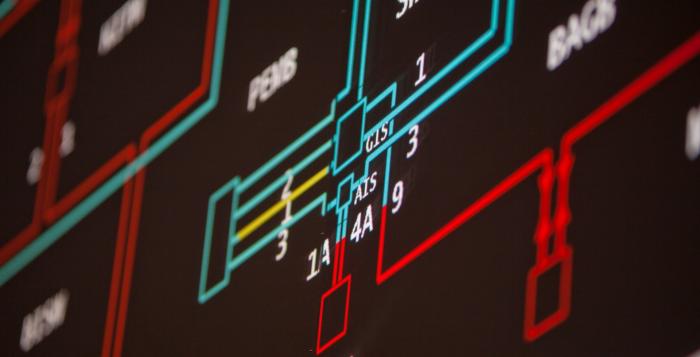
As part of a range of tools designed to help manage the electricity system this winter, we want to collaborate with energy suppliers/aggregators to reward participating households and businesses for helping support balance the grid this winter.
ESO’s Demand Flexibility Service approved for 2023/24 winter
Energy regulator Ofgem has granted approval to our Demand Flexibility Service (DFS) which will be available from 30 October 2023.