Connections
NESO launches consultation on EDF UK’s proposed Small…
3 Sep 2026 - 3 minute read
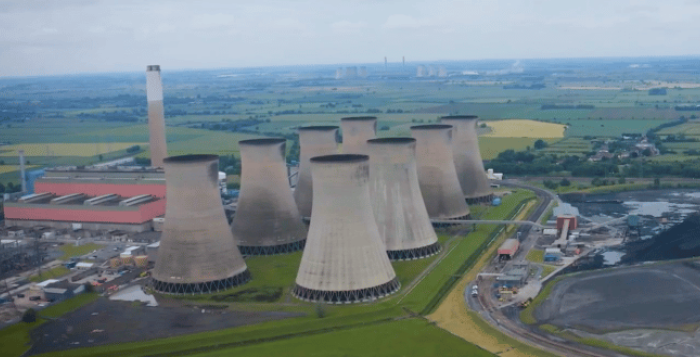
NESO has launched a consultation on EDF UK’s proposed Cottam Small Modular Reactor project.

The connections challenge is not new. Yesterday marked NESO’s second birthday, but it is also almost a century since the Electricity (Supply) Act 1926 which created the Britain’s first national grid. NESO is still a relatively new public corporation, but our purpose follows a long tradition: coordinating a changing energy system and connecting the infrastructure the country needs.
The next stage of connections reform needs to give people enough clarity to plan with confidence and give investors good reason to back British energy projects.
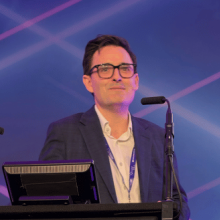
That was the challenge I kept returning to after speaking at the GRID conference today. The discussion has moved on quickly. Industry is no longer debating whether the old queue had to change there is broad agreement that it did. The question now is what the reforms will mean in practice and what we will do differently.
The practical test today is whether developers, networks and investors have what they need to plan, invest and deliver.
Customers told us they want a process that is simpler to understand and easier to navigate, backed by information they can rely on. As Director of Connections, that is my immediate focus.
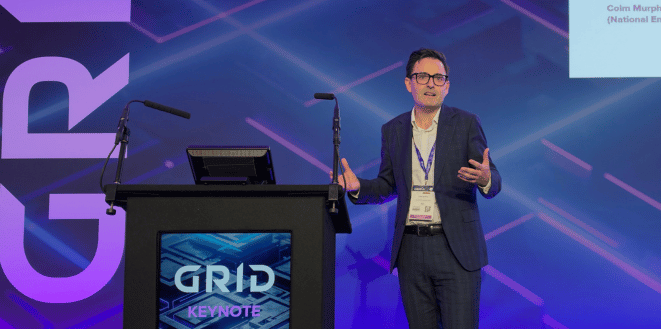
The new arrangements are now being put into practice. As I said in my speech, more than 75% of the offers needed to support the 2030 energy system have been issued. That matters, but the conversations at GRID also underlined a basic point: issuing an offer does not deliver a project. There is still lots to do.
Projects are being assessed against clearer criteria. That should produce a more realistic pipeline, better aligned with Britain’s future energy needs. Our priority now is to give businesses reliable information for their investment, planning and delivery decisions.
There is pressure to move quickly, and rightly so. But these decisions affect thousands of projects and have serious commercial consequences. The information we provide must be accurate and dependable.
An offer is an important milestone, not a finished project. A connection also depends on planning consent, network construction, supply chains, finance and the project itself being ready.
No single organisation can make all of that happen, it is truly a shared effort. When one aspect falls behind, it affects the whole supply chain.
Developers are responsible for consent, finance and supply chains.
Network companies plan and build the infrastructure.
NESO coordinates the connections process and strategic planning.
Ofgem oversees the regulatory framework, and Government sets the wider policy direction.
I left GRID convinced that the design of the reforms will only take us so far. Confidence will depend on steady delivery, honest communication and a willingness across NESO, networks, Government, Ofgem and industry to work through difficult issues together.
In the end, the test is not how neatly we redesign the pipeline or how many offers we issue. It is whether customers can make decisions with confidence, investors are prepared to commit capital, and credible projects get built and connected.
That is the standard industry expects and the standard we now have to meet.