Connections
NESO launches consultation on EDF UK’s proposed Small…
3 Sep 2026 - 3 minute read
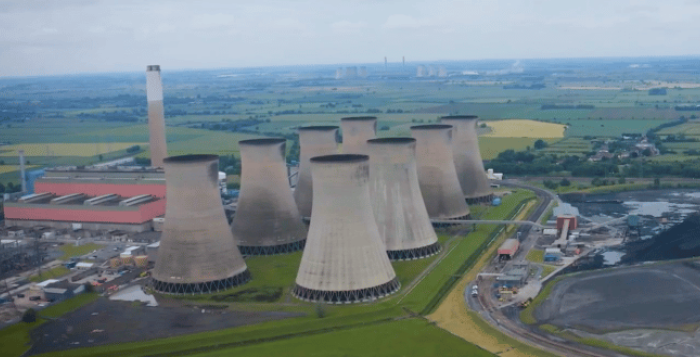
NESO has launched a consultation on EDF UK’s proposed Cottam Small Modular Reactor project.

Modernising grid infrastructure and permitting is a priority for companies in the energy sector, including clients of Barclays across the UK, Europe and the United States. This has become even more pressing with the need to keep energy costs as low as possible, and the growing grid capacity requirements of infrastructure associated with decarbonisation of society and artificial intelligence.
The economic opportunity of getting this right for Great Britain is significant. Up to £40 billion of annual investment across clean energy generation and network infrastructure is ready be unlocked as progress is made towards the UK Government’s Clean Power ambitions.
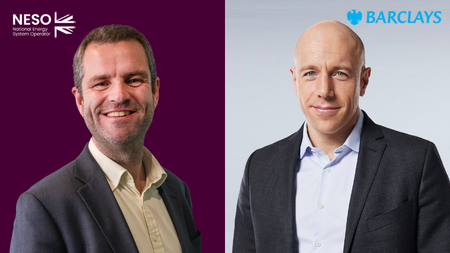
In this joint blog, Matt Magill, NESO’s Director of Customer Solutions Transformation and Daniel Hanna, Group Head of Sustainable and Transition Finance at Barclays outline how reforms to the electricity grid can attract the private capital needed to ensure an affordable, cleaner, and secure energy system that can meet future demands.
Only a few months ago, 800 gigawatts, equivalent of four times the clean generation capacity needed to achieve the UK’s 2030 target, was waiting to connect to the UK’s grid.
Britain's outdated connection process hasn’t kept up with the rapid changes we have witnessed to the energy system. Old rules stalled viable projects. In some cases, unviable projects occupied crucial grid capacity, making it difficult for others to move forward. Transmission Owners spent significant time planning for all projects, even those unlikely to proceed, resulting in wasted effort and cost to consumers.
To address these challenges, in partnership with industry, investors, the government and the regulator Ofgem, the National Energy System Operator (NESO) has transformed the grid connections process. These changes will help unlock £40bn of annual economic investment and ensure the national electricity network is only built where it’s needed.
Developing these reforms has been challenging, but the principle is clear: prioritise and accelerate projects that are ready to go and that support the UK Government’s Clean Power target.
NESO recognises that these changes will be difficult for those developers who have shown commitment and patience but won’t have met all the criteria. However, NESO is committed to ensure that there will be other opportunities to apply for a connection.
Modern policy frameworks and sustained investment in grid resilience are essential. The energy transition will require significant investment in critical network infrastructure and flexible financing approaches to overcome systemic bottlenecks. This will become increasingly important to ensure reliable power delivery as demand grows, and weather extremes intensify.
In last two years Barclays has supported British grid owners raise £9bn of equity helping facilitate important new grid infrastructure, better grid connectivity, and over time falling consumer costs. The success of raising finance underlines that private investors remain ready to support well run British companies invest in the electricity grid.
With the right financial support and the right regulatory environment, we can connect more clean, less expensive power to the system, driving emissions down and maintaining the UK’s outstanding track record of electricity system reliability.
Transforming the way projects connect to the grid will give businesses, financial institutions and investors even greater confidence that projects are genuinely ready to proceed. This transparency reduces uncertainty and will further strengthen investment decisions, helping to attract the finance needed to deliver the resilient, low-carbon power system that our national ambition demands.
The reforms are a pragmatic step towards a more efficient, transparent and predictable system – one that can underpin the UK’s clean energy ambitions and provide the certainty investors need to deliver energy transition. But connections reform is not a silver bullet.
Transmission Owners need to build more electricity network in the next five years than in the last decade to ensure electricity can travel from where it is generated to where it is needed. Planning reforms, combined with meaningful community engagement, are needed to speed up decision-making. Together, these measures will ensure energy can continue to be delivered reliably and securely as the system evolves.
Daniel is the Group Head of Sustainable and Transition Finance at Barclays. He is responsible for Barclay’s ambition to facilitate $1trn of Sustainable and Transition Financing by end of 2030 and supporting Barclays’ clients navigate the opportunities and challenges of transitioning to a low carbon economy. Daniel also helps set the strategic direction and execution of Barclays’ policies and practices across sustainability including climate, nature and human rights. Daniel is a member of the Group Sustainability Committee, the Investment Bank Management Team, and also the Barclays Climate Ventures Investment Committee, which is investing £500m in fast-growing, innovative and environmentally- focused, early-stage technology companies by 2027.