
Strategic planning
Developing the SSEP together: transparency, collaboration…
1 May 2026 - 3 minute read
We brought energy developers together for the latest Strategic Spatial Energy Plan (SSEP) workshops…

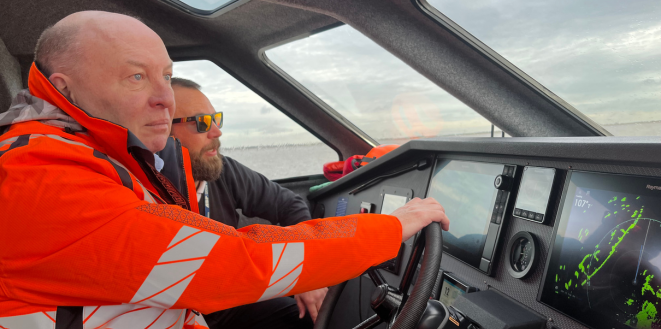
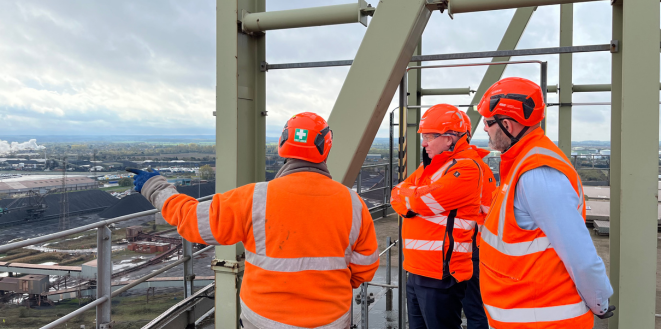
Our Chief Executive, Fintan Slye, visited the Ports of Grimsby and Immingham to see first-hand how the area is helping to support the UK’s energy transition, while delivering long-term benefits for the local economy.
Fintan explained to local business leaders how our connections reform process will help support port electrification and how its new regional energy strategic plans will help further unlock investment in the Humber.
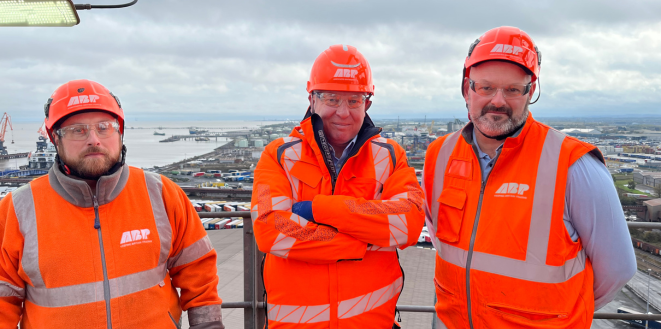
The area is home to the UK’s largest port complex by tonnage, handling around 17% of seaborne trade and supporting tens of thousands of jobs. Local business leaders believe it has the potential to meet 50% of the UK’s future energy needs and attract over £15bn in private sector investment for the energy transition.
Hosted by Associated British Ports (ABP), a founding member of the Humber Energy Board, the visit highlighted the region’s transformation as the UK’s Energy Estuary, including as a major hub for offshore wind operations. It also gave Fintan an insight into the Humber’s ambition to be the UK’s number one green cluster and a global hub for clean energy and trade.
The visit also included a roundtable with a range of businesses involved in carbon capture and storage. Nearly two thirds of the UK’s licensed UK CO2 storage capacity is accessible from the Humber and the Viking CCS projects represents a significant opportunity to decarbonise the largest CO2 emitting region in the country.
“Grimsby and Immingham are world-leading examples of how historic port towns can redefine themselves and seize the opportunities that come with the clean energy transition.
“NESO’s role is to plan and operate an energy system that connects Britain’s industrial and coastal assets to forge a cleaner, more secure and more affordable future.
“My visit to the area today has made it clear how that plan can help propel seaside communities forward, encouraging further investment and green jobs.”
Mr Slye gained an insight into Immingham’s maritime heritage during the visit. The port handles 37 million tonnes of cargo per year, is the UK's largest biomass import terminal, and authorities plan to build a CO2 import terminal there as part of the Viking CCS cluster.
“We were delighted to welcome NESO’s CEO to the Humber and show how ABP’s ports continue to evolve. By working together, we can make sure the Humber remains a leader in clean energy while delivering real benefits for local communities and businesses.”
The visit also explored opportunities for further collaboration between NESO and ABP, including how better coordination between ports, energy infrastructure and regional strategic planning could accelerate delivery of a sustainable energy future while maximising local economic benefits.