

Beyond 2030
Building on the Holistic Network Design (HND), the Beyond 2030 report suggests network recommendations throughout the 2030s.
The report recommends around £58 billion in direct investment for offshore and onshore network upgrades. These upgrades will help connect an additional 21GW of offshore wind power, along with various other low carbon energy sources across Great Britain.
Careful planning will still be needed to optimise these suggestions, reduce community impact and make the most of their wider benefits.
This transitional plan is a stepping-stone before we develop the fully Centralised Strategic Network Plan (CSNP) which will be published in 2026.

Beyond 2030 Report
Discover more about our recommendations for how the offshore and onshore networks should develop throughout the 2030s. For the best online experience, explore the report on a laptop/ desktop.
Key benefits of the report
- A network to enable the UK government to meet the sixth Carbon Budget. To deliver the required network by 2035, the actions in the Transmission Acceleration Action Plan are required.
- Creates the backbone needed to transfer power for and to future industry.
- 20,000 jobs will be created and sustained annually, with 90 percent of these benefits felt outside of London and the southeast.
- Facilitates the connection of a breadth of other low-carbon electricity generation, including Sizewell C and Hinkley Point nuclear power plants.
- Is a once in a generation expansion of Great Britain’s electricity grid. It proposes a network that has three times more undersea cabling than onshore infrastructure by 2035.
Developing the Beyond 2030 report
The network planning process at a glance
1. Scenarios
We produce and use a range of industry consulted credible futures that each decarbonise our energy system differently. These scenarios provide the starting point for our analysis.
2. Requirements
We determine the capability needs of the system across each of the scenarios identifying where future bottlenecks might occur on the system.
3. Solutions
The TOs propose potential onshore and offshore solutions to resolve network requirements. We can propose further offshore solutions as well as commercial arrangements to meet the needs of the system. All solutions vary in their level of maturity.
4. Assessment
We assess all solutions against our four design objectives considering: cost, deliverability, impact on the natural environment and impact on the local community.
5. Recommendations
We make a final set of high-level network recommendations that balance the design objectives forming the design or blueprint for the future transmissions system. Our scenarios allow us to make robust recommendations against a backdrop of uncertainty.
6. Detailed Design
The energy industry takes forward our recommendations, developing them further by carrying out a detailed design process that includes technology choices, routing and consenting processes, and extensive stakeholder engagement.

What are the next steps in the process?
Both industry stakeholders and Ofgem will review our recommendations. Industry will develop these recommendations further through a detailed network design phase.
Depending on a recommendation’s maturity, this can involve testing alternative on - and offshore solutions, further developing cable routing and technology choices.
We expect the industry will engage extensively with communities on these options.
Beyond 2030: INTOG Publication
We have now published our Design Recommendation for INTOG as described in the Beyond 2030 report.
Below you can download the Publication and Supplementary Report:

Beyond 2030: Celtic Sea Publication update
We have now published our recommendation for the Celtic Sea as described in the Beyond 2030 report.
Below you can download the Publication and Technical Annex:
Beyond 2030: Celtic Sea Publication Beyond 2030: Celtic Sea Technical Annex
Beyond 2030 annexes
Beyond 2030 Technical Report
Sets out or holistic design considerations for both our onshore and offshore network recommendations in greater details.
Stakeholder Approach, Engagement and Feedback Report
Outlines how we have embedded stakeholder engagement into our process and considered the feedback we have received in shaping our recommendations.
Interconnector Analysis Report
Outlines the bespoke analysis we have conducted to determine what volume of future electrical interconnection to other countries could be optimal for Great Britain, as well as neighbouring countries.
Find out more
A Holistic Network Design for Offshore Wind
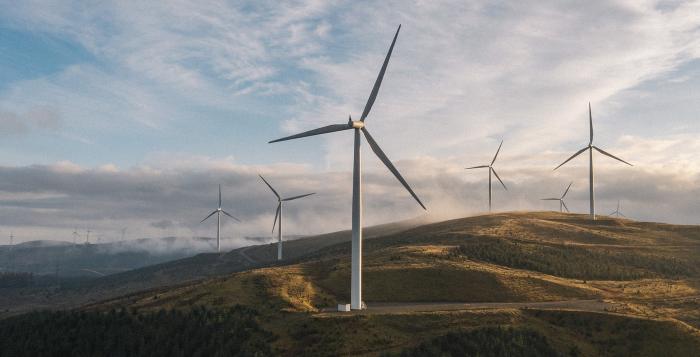
A closer look at what is needed to connect 23GW of offshore wind by 2030.
Electricity Ten Year Statement
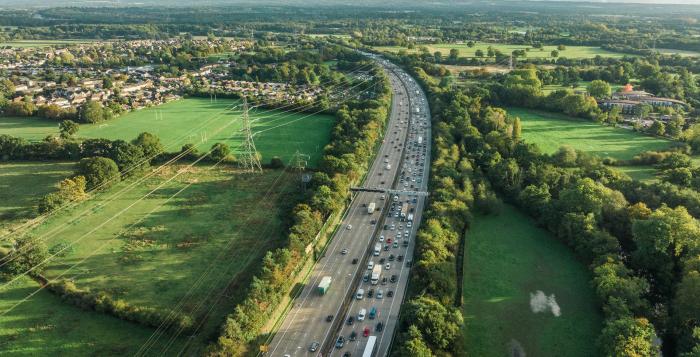
ETYS is the NESO’s view of future transmission requirements and the capability of GB’s National Electricity Transmission System (NETS) over the next ten years.
NOA Refresh

Learn more about the wider onshore network requirements needed to achieve the 2030 ambition.
Offshore Coordination

Find out more about the Offshore Coordination.
Web map
Visit our web map to have a look at the requirements for the future transmission network.
Other documents
| Name | Published Sort ascending |
|---|---|
| Comprehensive List of the Onshore and Offshore Network | 19 Mar 2024 |
| Beyond 2030 glossary | 19 Mar 2024 |
| Competition in electricity transmission report | 19 Mar 2024 |